
Our Blog

online casino apple pay paysafe casino casino bonus kaszinó gyors kifizetéseket ezeewallet casino jeton wallet casino casinos online dinheiro de verdade casinos com transferencia bancaria jogos de casino para ganhar dinheiro real deposit with paypal casino bezahlen per handyrechnung top klarna casino online casino echeck deposit casino lastschrift kaszinó bónuszok ethereum casino mobil kaszinó magyar casinos with no wagering requirements casinoer med paysafecard no wagering requirements casino casinos com paypal ezeewallet casino kasyno za prawdziwe pieniądze bitcoin casino ohne verifizierung mastercard pagamentos casino online kaszinó paypal kasyno online na pieniądze bitcoin casino bonus best zimpler casino sites online casino mit rapid transfer polskie kasyno online idebit accepted casino online casino mit google pay einzahlen mastercard casinos online neteller casino casino online neteller online casino ohne verifizierung österreich novo casino online portugal astropay casino bedste bankoverførsel casino online casino with zimpler kasyno ezeeWallet casino na prawdziwe pieniadze best paypal casino kasynos online online kaszinó bónusz automaty online bez rejestracji ios casinos zimpler casino sites danske online casino najlepsze polskie kasyno depósito de casino com mbway

No Wooden Teeth, Please! Why Oral Health is So Important

Your teeth are precious. Once your permanent teeth come in, they need to last you a lifetime. Extensive tooth decay can lead to dental caries and the need for fillings, crowns, bridges, and dentures.

While these fixes can go a long way toward maintaining your quality of life, they cannot compare to your natural teeth. Getting braces is no excuse to let up on your thorough oral health routine: You need to take good care of your teeth before, during, and after braces to benefit completely from the gains you get from newly straightened teeth.

Why You Should Maintain Good Oral Health for Life

Begin a complete oral health regimen as early as possible in life, and maintain this routine throughout your life. Keeping your (or your child’s baby) teeth clean establishes a routine. It preserves healthy baby teeth whose function is to save space for the permanent teeth when they are ready to come in. Care of your permanent teeth helps preserve the enamel and prevent decay.

Take Special Care with Braces

It is important to pay attention to oral health when you have braces. If you do not take special care of your teeth during the months or years that you have braces, you risk irreversible damage to your teeth. Care is more difficult with braces because food can easily get stuck. In addition to brushing twice daily and flossing each day, Christopher Cosse and our staff suggest avoiding sticky foods.

How Long Will My Retainer Last?

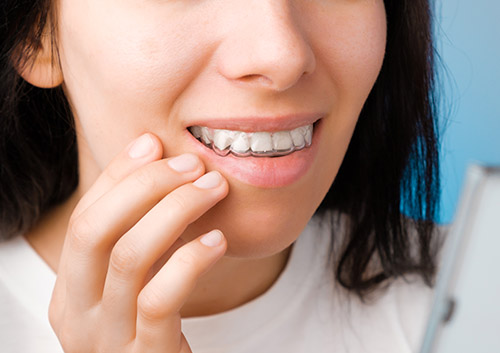
You’ve worked hard for your attractive, healthy smile, and now you’re making sure it stays attractive and healthy by wearing your retainer. Since wearing a retainer is usually a matter of years, not months, it’s natural to wonder just how long you can count on that retainer to help you maintain your smile.

That answer depends on the type of retainer you get at our Shreveport, Louisiana office. A Hawley retainer, a clear retainer, and a fixed wire retainer have different lifespans. Because they each have their own advantages, Christopher Cosse will recommend the retainer that’s right for protecting your individual smile.

So let’s look at the average lifespan for different retainers, and, equally important, some of the common mishaps that can shorten that working life.

The Hawley Retainer

This is the retainer most people picture when they think “retainer.” Made of wire securely attached to an acrylic base, the Hawley retainer keeps the teeth in place, and can even be adjusted, if needed, to improve alignment. They generally last anywhere from three to ten years.

How can you make sure your Hawley retainer keeps working for you as long as possible?

  • Keep it in its case. While some damages to these retainers can be repaired, why take a chance? And it’s much harder to lose a retainer if it’s in its case as opposed to, say, a cafeteria napkin.
  • Keep it away from your pet. Dogs, especially, are tempted by the taste and smell of saliva, but there are safer, less expensive chew toys out there.
  • Keep wearing it. Without your retainer, your teeth can shift. Over time, not only will your retainer fail to fit anymore, but you might need to return for further orthodontic treatment. If you notice your retainer is starting to feel uncomfortable, give your orthodontist a call.

The Clear Retainer

Clear retainers look like clear aligners, and, like clear aligners, are almost invisible. Made of vacuum-formed plastic, they’re designed for a close, comfortable fit, often around the entire arch of your teeth. Also like clear aligners, these retainers aren’t made to last forever. If they become loose, warped, or cracked, they should be replaced. With care, they can last from six months to several years. How to protect them?

  • Protect your retainer from damage. Keep it in its case when you’re not wearing it. You’ll avoid losing it, and you’ll avoid damaging it.
  • Protect it from teeth. And we don’t just mean pets, although they find clear retainers yummy, too. If you grind your teeth, your retainer can suffer. Clear retainers are not the same thing as night guards, so talk to your orthodontist for recommendations.
  • Protect it from heat. Hot surfaces like ovens or heaters, hot dashboards, washers and dryers, even very hot drinks can be a problem. (You should only be drinking water while you wear your clear retainer, so that particular issue shouldn’t arise!)

The Fixed Retainer

A fixed retainer is a small piece of wire that is custom-fit and bonded to the back of specific teeth to prevent any movement from occurring. Because it’s bonded to the inside of the teeth, a fixed retainer is completely invisible when you speak or smile. It can last five years, ten years, and in some cases, even longer. Even though you won’t be exposing this retainer to external dangers like hungry pups or the wash-and-rinse cycle, there are still some situations to watch for:

  • Watch your diet. The same sticky, crunchy, or hard foods that can damage brackets and wires can also loosen a fixed retainer.
  • Watch your dental hygiene. While cleaning around a bonded retainer can be a bit challenging, not cleaning around it can result in plaque and tartar buildup—and your retainer might have to be removed to clean your teeth.
  • Watch for changes. If your teeth start to shift, it could mean your retainer has detached from one or more teeth. Ask your dentist to check the retainer’s bond whenever you have a checkup.

So, how long will that retainer last? Depending on the kind of retainer you have, if you don’t keep it in its case, or if you don’t watch your diet, or if you expose it to heat, the answer is—not nearly long enough. Christopher Cosse will give you the very best tips to keep your retainer clean, safe, and working for as long as possible. Now, it’s up to you!

Talking Over Your Underbite

You’ve been told that you have a malocclusion called an “underbite.” Let’s look at just what this diagnosis means, and what it means for you.

Just what is an “underbite”?

A malocclusion is another way of saying that you have a problem with your bite, which is the way your jaws and teeth fit together when you bite down. In a typical bite, the front top teeth project slightly beyond, and slightly overlap, the bottom teeth.

An underbite, on the other hand, results when the lower teeth and jaw extend further forward than the upper teeth and jaw, causing the bottom teeth to overlap the top teeth.

What causes an underbite?

Underbites tend to be genetic, and run in families, so, most often, an underbite is something you’re born with. The size of your jaws, the shape of your teeth, or both will affect your bite.

A smaller number of underbites develop because of injuries or early oral habits, such as prolonged and vigorous thumb sucking or tongue thrusting.

How do we treat an underbite?

Your treatment will depend on the type and severity of your underbite, and your age when treatment occurs.

  • Braces and Aligners

If your underbite is a slight one, caused, for example, by crowded or overly large teeth, braces or clear aligners can help move the teeth into proper alignment.

  • Functional Appliances

If the underbite is caused by a problem with upper and lower jaw development, devices called functional appliances can be used to help guide the growth of the jawbones while a child’s bones are still growing and forming.

If you’re a young patient, two appliances commonly used to help correct an underbite are palatal expanders, which gradually widen the upper jaw if it’s too narrow, and reverse pull headgear, which fits both inside the mouth and outside on the face, and provides a steady, gentle pull to encourage the forward growth of the upper jaw.

  • Surgical treatment

In some severe cases, surgical treatment can correct an underbite by reshaping the jawbone itself and positioning it further back to align properly with the upper jaw.

Why treat your underbite?

A serious underbite can cause damaged teeth and enamel, painful problems with the temporomandibular joint, headaches and facial pain, sleep apnea, difficulty chewing, eating, and speaking, and can affect confidence and self-esteem.

By following your treatment plan, you’ll not only prevent these consequences, but you’ll achieve major benefits—a healthy, comfortable bite, and an attractive, confident smile. Want to know more? Talk it over with Christopher Cosse at our Shreveport, Louisiana office for all the information you’ll need!

Let It Snow!

The weather out there might be frightful for most of us, but not for you! You’ve been waiting all year for a fresh coat of powder and all the outdoor sporting activities winter brings. But before you grab those ski poles, strap into that snowboard, lace up those skates, or dust off that sled, be sure to remember one more essential piece of gear—your mouthguard!

Mouthguards aren’t just for contact sports. While all that lovely new snow looks like powder, it doesn’t feel like it when you land hard. If there’s a chance of a fall or an impact in any sport, there’s a chance you can suffer dental injuries.

Falls or collisions can result in chipped, broken, or dislodged teeth. Your mouthguard will help protect your smile from these accidents, and also works to protect you from biting your tongue and mouth in case of impact. It can even reduce the chance of jaw injuries.

Luckily, finding a mouthguard that works for you is even easier than finding the perfect board or the best wax for your skis. You have several options to choose from:

  • Ready-made appliances. These are available in drugstores and sporting goods stores, however, they come in pre-formed sizes, so may not provide the best fit. Talk to Christopher Cosse if you are interested in a mouthguard fitted specifically for you.
  • The “boil-and-bite” model. This mouthguard form is placed in hot water. You then bite down while it is pliable to shape it to your mouth and teeth.
  • Custom mouthguards. These guards can be fabricated just for you. They are molded to fit your individual mouth and teeth, so provide a better fit and better protection. They are also usually more durable and more comfortable. If you wear braces, a custom mouthguard can be your best option for preventing an injury to your mouth and your braces. Talk to Christopher Cosse if you are interested in a guard fitted specifically for you.

When you visit our Shreveport, Louisiana office, let’s discuss all the best ways to keep your teeth and mouth protected before you set out for winter sports. And then when you’re ready to go? Let it snow!