
Our Blog

online casino apple pay paysafe casino casino bonus kaszinó gyors kifizetéseket ezeewallet casino jeton wallet casino casinos online dinheiro de verdade casinos com transferencia bancaria jogos de casino para ganhar dinheiro real deposit with paypal casino bezahlen per handyrechnung top klarna casino online casino echeck deposit casino lastschrift kaszinó bónuszok ethereum casino mobil kaszinó magyar casinos with no wagering requirements casinoer med paysafecard no wagering requirements casino casinos com paypal ezeewallet casino kasyno za prawdziwe pieniądze bitcoin casino ohne verifizierung mastercard pagamentos casino online kaszinó paypal kasyno online na pieniądze bitcoin casino bonus best zimpler casino sites online casino mit rapid transfer polskie kasyno online idebit accepted casino online casino mit google pay einzahlen mastercard casinos online neteller casino casino online neteller online casino ohne verifizierung österreich novo casino online portugal astropay casino bedste bankoverførsel casino online casino with zimpler kasyno ezeeWallet casino na prawdziwe pieniadze best paypal casino kasynos online online kaszinó bónusz automaty online bez rejestracji ios casinos zimpler casino sites danske online casino najlepsze polskie kasyno depósito de casino com mbway

Can You Chew Gum and Wear Braces?

Well, of course you can chew gum and wear braces. But, should you chew gum and wear braces? That can be a sticky question.

For many years, the answer was a firm “No.” Not only did our favorite chewables literally gum up the (dental) works, but they were filled with loads of the sugar that cavity-causing bacteria love to feed on. The result? A much better chance of damage to your orthodontic work, and a higher risk of cavities near your brackets and wires.

But times, and gum recipes, change. Today’s sugar-free gum provides us with some new ideas to chew over.

  • Sugarless gum is much less sticky than regular gum, so it is much less likely to stick to your appliance. If there is any chance that gum will damage your wires or brackets, we’ll let you know that it’s best to wait until your braces are off to indulge.
  • Some orthodontic patients find that their jaws and ligaments are less sore if they chew gum for a few minutes after an adjustment.
  • Most important, studies suggest that chewing sugarless gum might actually help prevent cavities from forming. How is that possible?

Because chewing gum increases our production of saliva! Okay, we don’t normally find saliva an exciting, exclamation-point-worthy topic, but let’s look at the dental benefits:

  • Saliva washes away food particles and bacteria. And because braces can trap food when we eat, it’s great to have some help washing away any meal-time souvenirs.
  • Saliva helps neutralize acids in the mouth. The acids found in foods and produced by oral bacteria lead to cavities, so diluting and neutralizing their effects provide important protection for our enamel.
  • Saliva helps bathe the teeth in minerals that can actually rebuild weakened enamel. Acids in the mouth attack minerals in the enamel such as the calcium and phosphate that strengthen our teeth. Fortunately, saliva provides calcium, phosphate, and fluoride that can actually help rebuild weakened enamel.

So, should you chew gum and wear braces? The real question is, should you chew gum while you’re in braces? Christopher Cosse and our team are more than happy to provide the right answer for you! Talk to us at your next visit to our Shreveport, Louisiana office about the potential benefits and drawbacks of dentist-approved sugarless gum. Depending on the kind of gum you choose and the kind of orthodontic work you are having done, the answer just might surprise you.

Color Combinations of Elastics for the Holidays

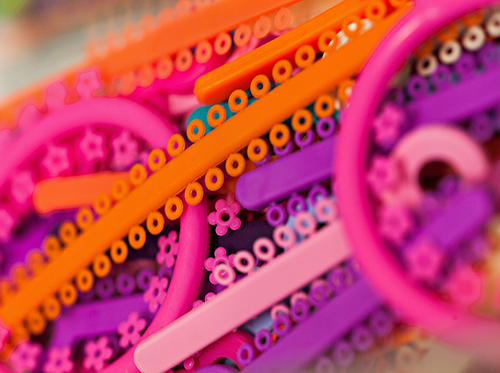
There’s something special about customizing the elastics on your braces to fit your unique personality. Once you embrace your braces (no pun intended) you’ll realize how many color options and combinations there are to choose from. Although you’ll have a fantastic smile afterward, you won’t have this level of customizability once your braces come off, that’s for sure!

Adding flair to your braces isn’t what all patients are looking to do (like those opting for clear aligners or ceramic braces), but it’s part of the fun of traditional metal braces! Many of our patients ask Christopher Cosse to have their elastics match the colors of their favorite sports teams or their school, but how about changing your elastics to match holiday colors?

Here are some options to consider:

  • Valentine’s Day – Red and pink
  • Easter – Pink, blue, and violet
  • Halloween – Orange and black
  • Christmas – Red, green, and white
  • Saint Patrick’s Day – Green and white

There are a few colors that some people choose to avoid. But if you’re trying to make your teeth stand out in a crowd, the following suggestions need not apply!

  • Brown or Green – can be mistaken for food being stuck in your teeth
  • Black – might look like a rotten tooth if someone isn’t looking hard enough
  • White – Some patients think it will make their teeth look whiter, but in fact it can make your teeth appear yellower than they actually are. White elastics can also stain easily.
  • Yellow – accentuates the yellowness of your enamel

Since changing the color of your elastics has no effect on the actual orthodontic treatment process, the idea is to have fun and add a personal touch. So, next time you get your elastics changed at our Shreveport, Louisiana office, why not wear your braces boldly and opt for something festive?

Overbite Overview

An overbite is one of the most common malocclusions. If Christopher Cosse and our team have diagnosed you with an overbite, you probably have lots of questions. Let’s try to answer some of them!

Just what is an “overbite”?

A malocclusion is another way of saying that you have a problem with your bite, which is the way your jaws and teeth fit together when you bite down. In a healthy bite, the front top teeth project slightly beyond, and slightly overlap, the bottom teeth. A normal overlap is generally considered one or two millimeters.

An overbite is a Class II malocclusion, and means that the upper front teeth cover more of the lower teeth than they should. But that’s a very general definition, and we will diagnose and treat your own, very specific, bite and teeth alignment.

Because overbites aren’t all alike. They might be barely noticeable. Upper teeth might overlap lowers by an extra millimeter or two. In more severe overbites, the upper teeth might cover the lower teeth completely. The amount of overlap and the cause of the overbite will determine your treatment.

What causes an overbite?

Overbites can be dental, caused by tooth alignment, or skeletal, caused by bone development, or a combination of both. They are usually hereditary, so, most often, an overbite is something you’re born with.

The size and position of your jaws, the shape and position of your teeth, all affect your bite alignment. But early oral habits, such as prolonged and vigorous thumb-sucking or pacifier use can contribute to overbite development. Missing teeth and bruxism, or tooth grinding, can also affect the alignment of your bite.

How do we treat an overbite?

There are many types of treatment available. Christopher Cosse will recommend a treatment plan based on the type and severity of your overbite. Because some treatments are effective while bones are still growing, your age plays a part as well.

  • Braces and Aligners

If dental issues are the main reason for your overbite, braces or clear aligners can be very effective. Rubber bands are commonly used to help bring teeth and jaw into alignment.

  • Functional Appliances

If the overbite is caused by a problem with upper and lower jaw development, devices called functional appliances can be used to help guide the growth of the jawbones while a child’s bones are still forming.

For young patients, there are several appliances that can help correct an overbite. Some, like the Herbst appliance, work inside the mouth, while others, like headgear, are worn externally. Your orthodontist will recommend the most effective appliance for your needs.

  • Surgical treatment

In some cases, where the problem is skeletal rather than dental, surgical treatment might be necessary to reshape the jawbone itself. This is especially true for adults, whose bones have finished forming.

If we recommend surgery, oral and maxillofacial surgeons are experts in surgical procedures designed to create a healthy and symmetrical jaw alignment. Christopher Cosse will work with your surgeon to design a treatment plan, which will usually include braces or other appliances following surgery.

Why treat your overbite?

Sometimes, a very slight overbite won’t require treatment. A serious, moderate, or even mild overbite, though, can lead to many dental and medical problems, including:

  • Crooked, crowded teeth
  • Worn teeth and enamel
  • Problems speaking or chewing
  • Difficulty sleeping
  • Headaches, facial, and temporomandibular (jaw) joint pain

When you work with our Shreveport, Louisiana team to correct your overbite, you’ll not only prevent these unpleasant consequences, but you’ll achieve major benefits as well—a healthy, comfortable bite, and an attractive, confident smile. If you’d like more than an overbite overview, Christopher Cosse can provide the specific information and treatment plan you need to make that healthy bite and that confident smile a reality!  

The Importance of Orthodontic Treatment at a Young Age

When you think of orthodontic treatment, you may automatically assume that it only relates to older children and teens with alignment and spacing issues. But this isn’t the case: Orthodontic treatment at Cosse & Silmon Orthodontics offers many benefits when applied at a young age.

By considering orthodontic treatment at a younger age, Christopher Cosse and our staff are able to identify your child’s alignment issues early on, and are able to intervene in order to provide treatment as the teeth begin to develop. It is important to start dental care early, not only for proper dental health and the cosmetic benefits, but to improve a child’s overall health as well.

The Benefits of Straighter Teeth

Besides the cosmetic benefits, there are multiple advantages to starting orthodontic treatment at a young age:

  • It can reduce the extent of orthodontic treatment needed later.
  • With early treatment, the pediatric dentist helps guide the teeth into their right position to prevent the removal of teeth and improve an overbite, underbite, or crossbite.
  • Straighter teeth are easier to clean and better for preventing tooth decay.
  • As a benefit to you, the parent, your child’s orthodontic expenses will be much lower with early treatment.
  • Lastly, much early treatment is covered by dental insurance.

Stages of Orthodontic Treatment

Multiple stages are included in early orthodontic treatment, with three stages in all:

The first stage is early treatment that starts around age two or three, and continues until the child is around six years old. This stage deals with preventive measures, such as avoiding bad habits that lead to crooked teeth and creating a plan for the future based on how the teeth are growing in.

During stage two, when the child is six to 12 years old, the first permanent teeth erupt and the dentist looks at possible early treatment for misalignment or bite issues.

Finally, stage three occurs during adolescence to correct any further problems with permanent teeth.

Christopher Cosse and our staff are able to see how the teeth first erupt and know right away whether or not your child will need to have braces later on. Early treatment means fewer procedures, cleaner teeth, and less expense.