Our Blog

online casino apple pay paysafe casino casino bonus kaszinó gyors kifizetéseket ezeewallet casino jeton wallet casino casinos online dinheiro de verdade casinos com transferencia bancaria jogos de casino para ganhar dinheiro real deposit with paypal casino bezahlen per handyrechnung top klarna casino online casino echeck deposit casino lastschrift kaszinó bónuszok ethereum casino mobil kaszinó magyar casinos with no wagering requirements casinoer med paysafecard no wagering requirements casino casinos com paypal ezeewallet casino kasyno za prawdziwe pieniądze bitcoin casino ohne verifizierung mastercard pagamentos casino online kaszinó paypal kasyno online na pieniądze bitcoin casino bonus best zimpler casino sites online casino mit rapid transfer polskie kasyno online idebit accepted casino online casino mit google pay einzahlen mastercard casinos online neteller casino casino online neteller online casino ohne verifizierung österreich novo casino online portugal astropay casino bedste bankoverførsel casino online casino with zimpler kasyno ezeeWallet casino na prawdziwe pieniadze best paypal casino kasynos online online kaszinó bónusz automaty online bez rejestracji ios casinos zimpler casino sites danske online casino najlepsze polskie kasyno depósito de casino com mbway

Happy Labor Day!

Labor Day is upon us, and that means the non-official end to summer. Before the kids head back to school and temperatures start to cool down, this is your last chance to barbeque in the beautiful Shreveport, Louisiana community, head to the lake, and wear your favorite pair of white pants.

About Labor Day

Each year, Labor Day is celebrated on the first Monday of September. It is the one day of year Americans celebrate their achievements in work, which the US Department of Labor says has contributed to prosperity and well-being of America as a whole. Americans have been celebrating Labor Day since the 1880s, and today it is an official federal holiday.

Interesting Facts About Labor Day

  • Every year, more than 30 million Americans travel over Labor Day weekend.
  • Canada was the first to celebrate Labor Day, and the US soon followed.
  • President Cleveland made Labor Day and official US holiday in 1894.
  • Labor Day marks the beginning of the NFL and NCAA sports seasons for fans.
  • Labor Day marks the end of hot dog season, when Americans consume seven billion hot dogs.

Thanks for being a valued patient of our Orthodontist office. Our staff would like to wish you a safe and happy Labor Day weekend. Enjoy your time off!

Just What Is Plaque?

From the time you were small, you’ve been warned about the dangers of plaque. Why? Because:

  • It’s an unpleasant film that sticks to your teeth
  • It causes cavities
  • It causes gum disease
  • It can cause extra problems when you wear braces

And really, do we need to know much more than this to motivate us to brush? But if you’re in a curious mood, you might be wondering just how this soft, fuzzy film accomplishes all that damage. Let’s take a closer look at the sticky problem of plaque.

How does plaque form?

We live with hundreds of species of oral bacteria, most of which are harmless, and some of which are actually beneficial. But when our oral ecosystem gets out of balance, problems can occur. For example, without regular and thorough brushing and flossing, we start to build up plaque.

Plaque starts forming within hours of your last brushing. And even though plaque fits the very definition of “seems to appear overnight,” this biofilm is actually a complex microbial community with several different stages of development.

  • It starts with saliva.

Saliva is vital to our oral health, because it keeps us hydrated, washes away food particles, neutralizes acids in the mouth, and provides minerals which keep our enamel strong. Saliva also contains proteins, which help form a healthy, protective film on the tooth surface. This film is called a pellicle.

  • Bacteria attach to the pellicle.

There are species of oral bacteria that are able to attach themselves to the pellicle film within hours of its formation. As they become more firmly attached, they begin to grow and divide to form colonies, and are known as the early colonizers of the plaque biofilm.

  • A complex biofilm forms.

If you’ve skipped brushing for a few days (please don’t!), you’ll notice a fuzzy, sometimes discolored film on your enamel—that’s a thriving plaque community, and it only takes a matter of days to go from invisible to unpleasant.

If you’re not removing plaque regularly, it can harden further and become tartar. And once you have tartar buildup, you’ll need the care of a dental professional to remove it.

  • What happens if we ignore plaque and tartar?

We get cavities and gum disease.

How does plaque cause cavities?

  • The bacteria in plaque, like all organisms, need nutrients.

Our normal oral environment and the food in our everyday diets provide the nutrients plaque needs. And, as we mentioned above, certain types of oral bacteria convert these nutrients into acids. Foods such as carbohydrates, starches, and sugars are most easily converted into acids, which is why we recommend that you enjoy them in moderation.

  • The biofilm promotes acid production.

Within the plaque film, anaerobic bacteria (bacteria which don’t use oxygen) convert sugars and starches into acids. As the plaque film becomes denser, it blocks acid-neutralizing saliva and oxygen from reaching these bacteria close to the tooth’s surface, creating an ideal environment for the bacteria to produce their acid waste products.

  • Acids attack enamel.

The sticky nature of plaque keeps these acids in contact with tooth enamel, where, over time, acids dissolve minerals in enamel, weakening the mineral structure of the tooth.

How does plaque cause gum disease?

  • Bacteria cause inflammation and gingivitis.

The bacteria in plaque irritate the delicate tissue of the gums, which causes an inflammation response which can leave your gums swollen, red, bleeding, or tender. This early form of gum disease is gingivitis. Fortunately, good dental care and careful brushing and flossing can usually prevent and even eliminate gingivitis.

  • Plaque and tartar can lead to periodontitis.

When plaque and tartar build up around and below the gumline, the gums pull away from the teeth, leaving pockets where bacteria collect, leading to infection as well as inflammation. Infections and constant inflammation not only harm gum tissue, they can destroy the bone supporting the teeth. This serious gum condition is periodontitis, and should be treated immediately to avoid further infection and even tooth loss.

How does plaque affect orthodontic patients?

  • Plaque collects around your braces.

Braces provide plenty of spots for plaque to hide from your brush. If you aren’t extremely diligent with your brushing and flossing, plaque collects near brackets, wires, and bands—all those spots that a brush and floss find difficult to reach.

  • Plaque promotes demineralization

The demineralization process we mentioned above can cause white spots on teeth (decalcification), where minerals have dissolved. Sometimes these spots can be treated, and sometimes they are permanent. They can become quite sensitive, and may lead to cavities.

Careful brushing and flossing around your braces will help eliminate the plaque that can cause demineralization near brackets. Ask Christopher Cosse about the tools and the brushing and flossing techniques which will give you the best results.

How do we fight plaque?

From the time you were small, you’ve learned how to fight plaque:

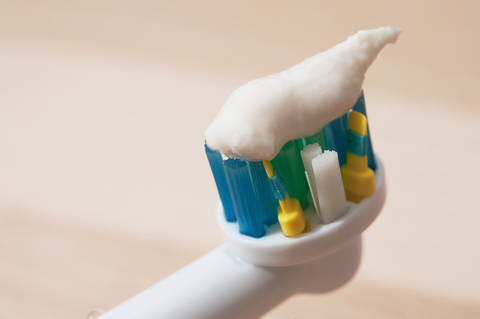
  • Brush at least twice a day for two minutes, and be sure to brush all of your tooth surfaces and around the gumline.
  • Floss to remove plaque from between the teeth and near the gumline.
  • See your dentist as recommended for a thorough professional cleaning.

Be proactive. If you have any questions, talk to us at our Shreveport, Louisiana office about the best way to keep plaque at bay. We can show you the most effective ways to brush and floss, recommend anti-plaque toothpastes and rinses, even suggest plaque-revealing tablets if you’re missing some trouble spots.

We’ve only brushed up on some plaque basics, because there is a lot more to discover about this complex biofilm. Happily, even with all there is to learn about plaque’s growth and development, it’s reassuring to know that getting rid of it is quite simple—with just a soft-bristled brush, some dental floss, and a few minutes of your time each day, you’re on the way to a healthy, happy, plaque-free smile.

Fluoride and Your Orthodontic Treatment

Our team at Cosse & Silmon Orthodontics knows that there are many ways you can protect your pearly whites throughout your orthodontic treatment. If you follow the rules and brush your teeth twice a day, floss often, and protect your appliances from damage, you should have a successful treatment.

But did you know there’s another way to keep your teeth sparkling and healthy during your time wearing braces?

Fluoride, the mineral that helps you prevent cavities and tooth decay, can also help keep your teeth strong. Fluoride comes in two varieties: topical and systemic. Depending on your oral health or the recommendation of Christopher Cosse, you may be required to have a fluoride treatment every three, six, or 12 months. We may also prescribe a fluoride product such as a mouthwash, gel, or antibacterial rinse for at-home treatment to keep your teeth happy in between visits.

If you have any other questions about fluoride or your treatment, please don’t hesitate to give us a call!

Sugar and Your Orthodontic Treatment

One word no one likes to hear is “cavity!”

For those patients of ours wearing braces, hearing that word is especially problematic, considering that delaying any dental work may result in delaying treatment time.

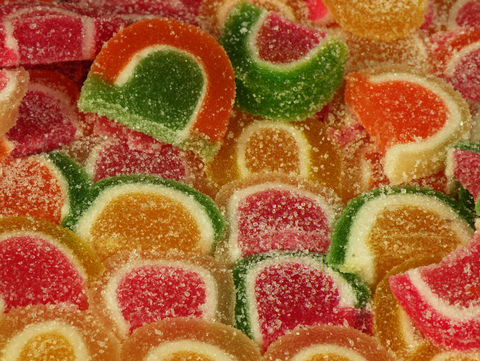
We often blame candy as the culprit behind tooth decay, but other foods and drinks that kids consume can be just as harmful to their teeth, and can lead to cavities and tooth decay. Keeping your teeth or your child’s teeth from decay during treatment starts with a proper diet, and today, our team at Cosse & Silmon Orthodontics will explain the negative effects that candy and other treats, including peanut butter, raisins, fruit juice, and chewy fruit snacks, have on your child’s teeth as he or she undergoes orthodontic treatment. Keep in mind that half of your child’s sugar intake may be coming from beverages that he or she drinks. A major offender is soda, but be mindful of fruit juices as well.

While sugar is known to sit in your child’s teeth and in between and under brackets and wires after consumption, it is important to know sugar is not the only cavity-causing culprit. Carbohydrates, starches, acids, and any food that is chewy or sticks break down into sugars, and can promote tooth decay.

So, what are the alternatives?

Candy such as dark chocolate, sugar-free gum, or anything that contains xylitol, a sugar substitute, is not as harmful for your teeth as hard, chewy, or sticky sweets. Sugar-free gum or gum that contains xylitol are known to reduce levels of bacteria on teeth.

And if you’re still looking for something to snack on, we recommend cutting up easy-to-eat fruits and vegetables. You would also be surprised how much eating a banana or sipping on a glass of water helps you curb snack cravings.

If you’re one of those folks who just can’t stay away from sweets, we encourage you to brush your teeth immediately afterward and swish water in your mouth.

Whatever you eat, Christopher Cosse and our team want you to remember to brush often, floss regularly, and visit your general dentist as your treatment progresses. If you have any questions about sugary foods or drinks, please give us a call or ask us during your next adjustment visit!